10 Things To Look For Buying A Home
-
![]()
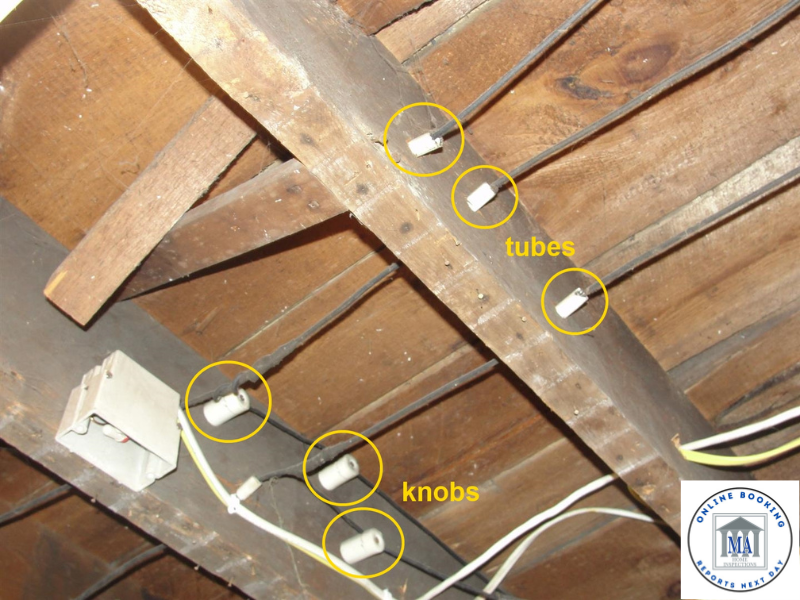
Knob And Tube Wiring
Overview: Knob and tube wiring is an early electrical system commonly found in homes built before the 1950s. It consists of single-insulated wires run through ceramic knobs and tubes.
Problems: This wiring lacks grounding, making it less safe by modern standards. Over time, the insulation can degrade, posing a fire hazard, especially if tampered with or surrounded by modern insulation. It's also often not compatible with higher electrical loads.
Pros: If left undisturbed and in good condition, it can function adequately. However, many insurers won't cover homes with knob and tube wiring, so replacement is often recommended. -
![]()
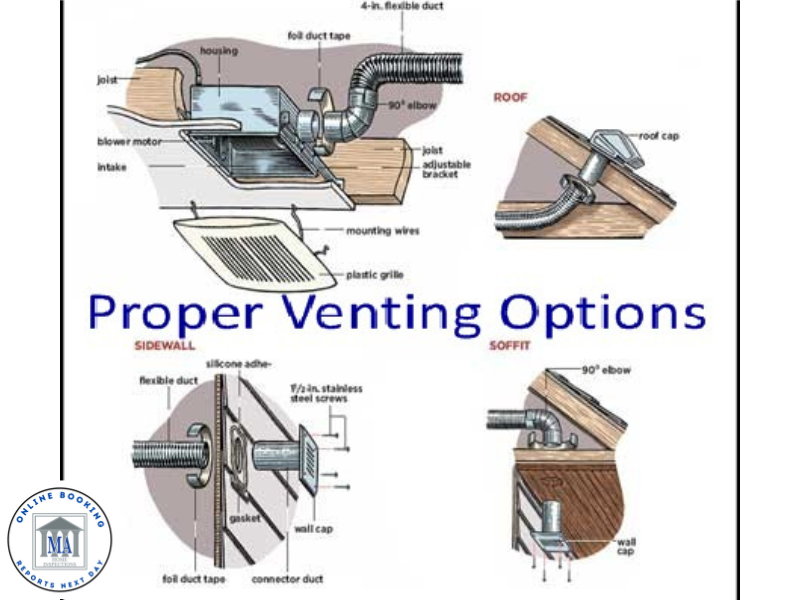
Bathroom Exhaust Vents
Overview: Bathroom exhaust vents help remove moisture and odors from the space. They should vent directly outside, not into attics or crawl spaces.
Problems: Improperly vented exhaust fans can lead to moisture buildup, which promotes mold, mildew, and structural damage. This is a common issue we see in older homes or DIY installations.
Pros: A properly installed exhaust vent improves air quality and protects against long-term moisture-related issues, making it a worthwhile upgrade for homeowners. -
![]()
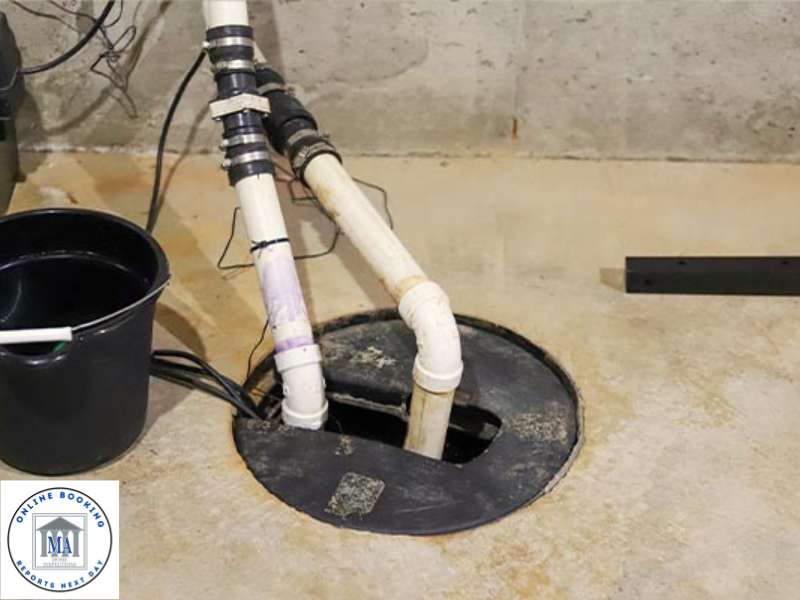
Sump Pump
Overview: Sump pumps are installed in basements or crawl spaces to prevent flooding by pumping water out of the home.
Problems: If a sump pump fails due to power outages, lack of maintenance, or mechanical issues, it can lead to significant water damage. Backup systems, such as battery or water-powered pumps, are critical.
Pros: A well-functioning sump pump is a strong defense against water intrusion, making it an asset in areas prone to high groundwater or heavy rain. -
![]()
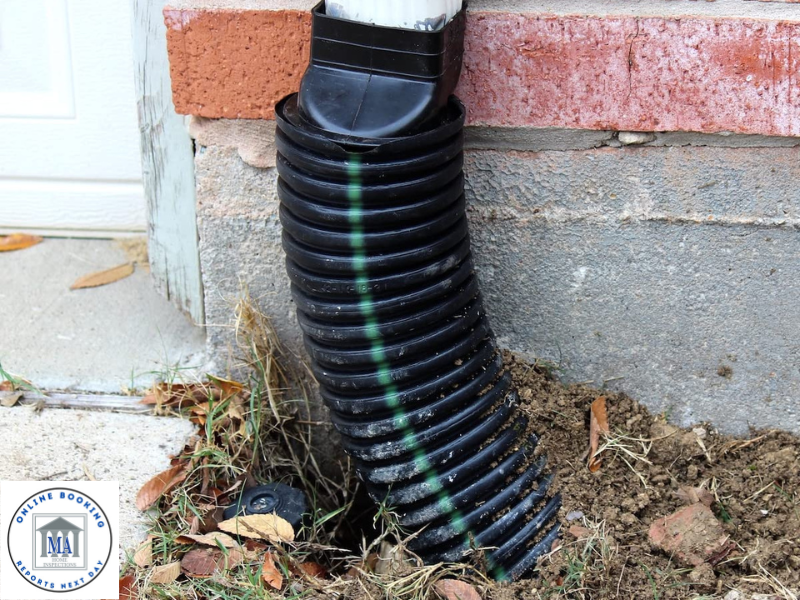
Corrugated Drain Lines
Overview: Corrugated drain lines are flexible pipes commonly used for drainage or plumbing.
Problems: These lines are more prone to clogging due to their ridged interior, and they may not handle high-pressure water flow as well as smooth-walled pipes. They’re also less durable and can collapse over time.
Pros: They are inexpensive and easy to install, making them a popular choice for temporary or low-use applications.e -
![]()
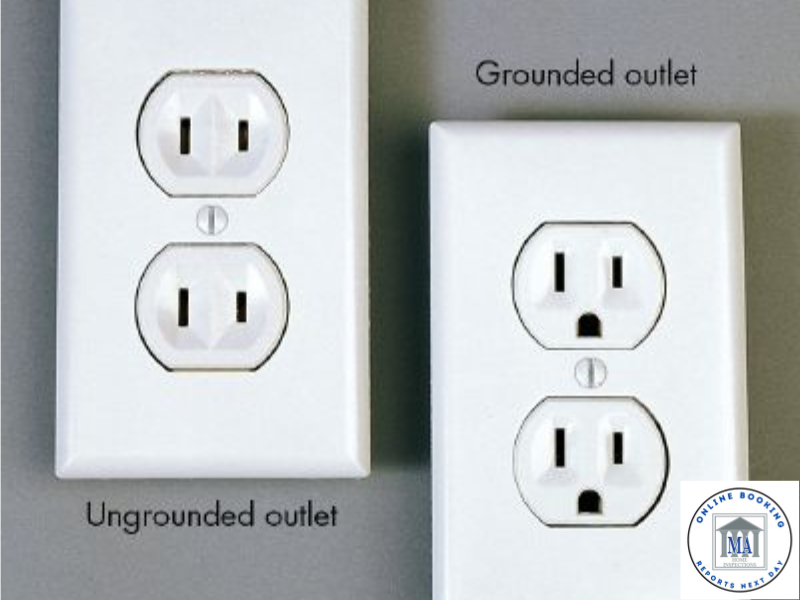
2 Prong Outlets
Overview: These are ungrounded electrical outlets commonly found in older homes.
Problems: Without grounding, these outlets offer less protection against electrical shocks or surges, making them a safety concern, especially for modern electronics. Replacement with grounded outlets or GFCI outlets is often recommended.
Pros: If they are in good condition and the electrical load is low, they may still function safely, though modernizing is advisable. -
![]()
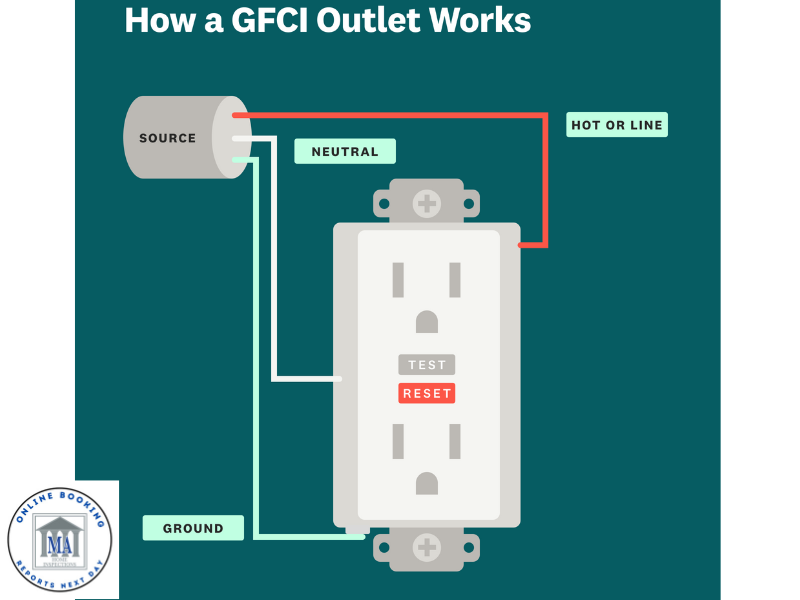
GFCI Outlets
Overview: Ground Fault Circuit Interrupter (GFCI) outlets are designed to protect against electrical shock in wet or damp areas by shutting off power when a ground fault is detected.
Problems: Older GFCI outlets can fail without noticeable signs, so periodic testing is important. Improper installation can also render them ineffective.
Pros: They significantly improve safety in kitchens, bathrooms, and outdoor areas, making them a must-have for code compliance and peace of mind. -
![]()
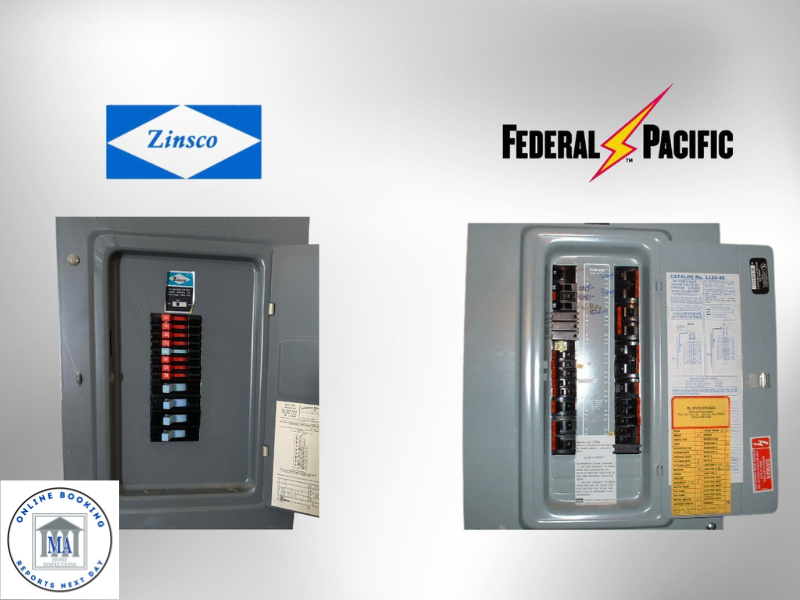
FPE Panels
Overview: Federal Pacific Electric (FPE) panels were widely installed from the 1950s to the 1980s. They are notorious for their potential safety hazards.
Problems: These panels have a high failure rate, and their circuit breakers may not trip properly, increasing the risk of electrical fires. Replacement is strongly advised.
Pros: While functional in some cases, the risks far outweigh the benefits, and their presence in a home may deter buyers. -
![]()
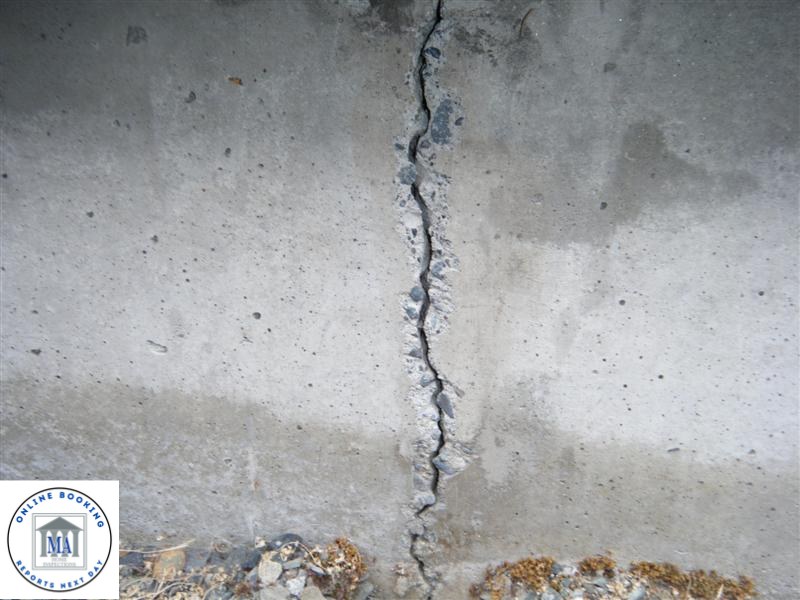
Vertical Cracks - Foundation
Overview: Vertical cracks in foundation walls are usually caused by natural settling and are often less concerning than other types of cracks.
Problems: If the crack widens or leaks water, it could indicate a structural or drainage issue.
Pros: Many vertical cracks are cosmetic and can be sealed to prevent water intrusion, offering peace of mind without major repairs. -
![]()
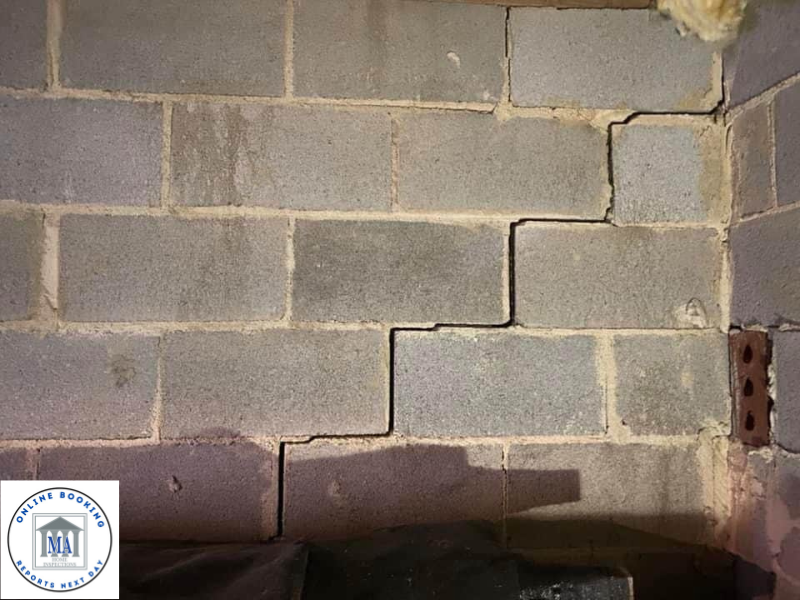
Step Crack - Foundation
Overview: Step cracks follow the mortar joints in brick or block foundations and are typically caused by settling or shifting.
Problems: These cracks can indicate differential settlement, which may lead to further structural concerns if not addressed.
Pros: If the cracks are minor and stable, they can often be repaired relatively easily, but monitoring is essential. -
![]()
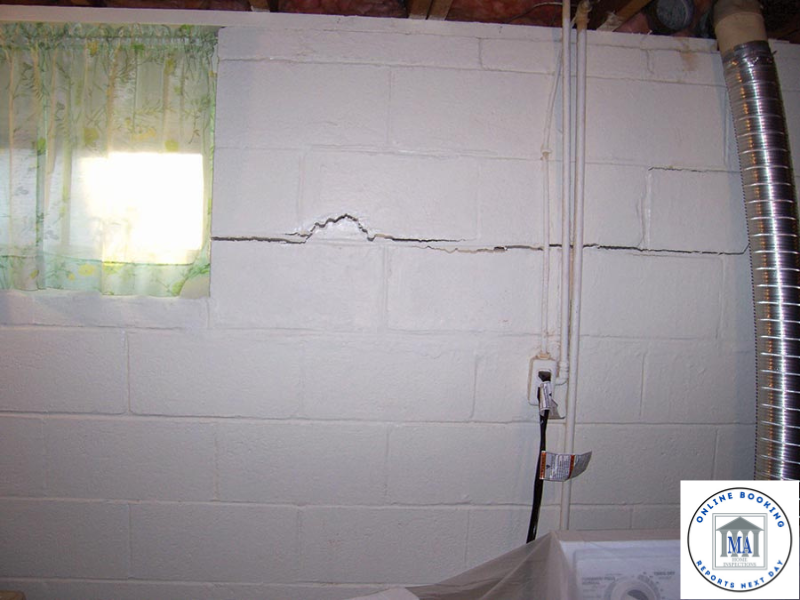
Horizontal Cracks - Foundation
Overview: Horizontal cracks in foundation walls are typically the most serious, often caused by hydrostatic pressure or structural failure.
Problems: These cracks may indicate bowing walls or compromised structural integrity, which can require costly repairs such as wall reinforcement or replacement.
Pros: Early detection and proper repairs can stabilize the foundation and protect the home’s value.